What Herbs Are Good for Anxiety?

Anxiety has become one of the most common mental health challenges in today’s fast-paced world. From school pressure and work stress to financial worries and constant digital overload, many people experience anxiety at different stages of life. While medical treatment and therapy are essential for severe cases, many people look for natural ways to support emotional balance, and that’s where herbs for anxiety come into focus. For centuries, traditional healing systems like Ayurveda, Traditional Chinese Medicine (TCM), and Western herbalism have used plants to calm the mind, reduce stress, and support the nervous system. Today, science is beginning to support what ancient wisdom already knew: certain herbs can help manage anxiety naturally. In this comprehensive guide, we’ll explore what herbs are good for anxiety, how they work, their benefits, and how to use them safely. Understanding Anxiety: A Quick Overview Anxiety is more than just feeling nervous. It’s a natural response to stress, but when it becomes frequent or overwhelming, it can affect daily life. Common Symptoms of Anxiety Constant worrying or fear Restlessness or feeling “on edge” Rapid heartbeat Trouble sleeping Difficulty concentrating Muscle tension Many people prefer natural options alongside lifestyle changes to help manage these symptoms, and herbal remedies for anxiety are among the most popular choices. How Herbs Help with Anxiety Herbs work gently with the body rather than forcing a chemical reaction. Most anxiety-relieving herbs support the nervous system by: Regulating stress hormones like cortisol Promoting relaxation and calmness Improving sleep quality Balancing mood and emotional responses Unlike fast-acting medications, herbs often require consistent use and work best as part of a holistic approach that includes good sleep, healthy food, and stress management. Top Herbs That Are Good for Anxiety Below are some of the most effective and widely used herbs for anxiety relief. 1. Ashwagandha Ashwagandha is one of the most powerful adaptogenic herbs used in Ayurveda. Benefits for Anxiety Helps the body adapt to stress Reduces cortisol levels Improves sleep quality Supports emotional stability Ashwagandha is especially helpful for people with chronic stress-related anxiety. Best for: Long-term stress, burnout, and anxiety linked to fatigue. 2. Chamomile Chamomile is best known as a calming herbal tea and has been used for centuries to ease nervous tension. Benefits for Anxiety Promotes relaxation Helps with sleep issues related to anxiety Mild sedative effect Soothes digestive issues caused by stress Chamomile is gentle and suitable for most people. Best for: Mild anxiety, restlessness, and sleep support. 3. Lavender Lavender is widely used in aromatherapy and herbal remedies for emotional well-being. Benefits for Anxiety Calms the nervous system Reduces feelings of panic Improves sleep quality Helps reduce mental tension Lavender can be used as tea, oil, or capsules. Best for: Panic symptoms, nervousness, and stress-induced insomnia. 4. Lemon Balm Lemon balm belongs to the mint family and has a refreshing, calming effect on the mind. Benefits for Anxiety Reduces nervousness Improves mood Enhances mental clarity Supports better sleep Lemon balm is often combined with other calming herbs for stronger results. Best for: Social anxiety, mental restlessness, and stress headaches. 5. Valerian Root Valerian root is well known for its calming and sleep-supporting effects. Benefits for Anxiety Helps calm racing thoughts Improves sleep latency Reduces nervous tension Because it’s strong, valerian is best used short-term. Best for: Anxiety linked with insomnia. 6. Passionflower Passionflower is commonly used in herbal medicine to calm the nervous system. Benefits for Anxiety Reduces overthinking Helps with nervous agitation Supports restful sleep Passionflower is non-habit forming and gentle when used properly. Best for: General anxiety and mental restlessness. 7. Holy Basil (Tulsi) Holy basil is another adaptogenic herb known for its stress-balancing properties. Benefits for Anxiety Helps regulate stress response Improves mood Supports overall mental resilience Tulsi tea is widely used for emotional balance. Best for: Stress-induced anxiety and emotional fatigue. 8. Rhodiola Rosea Rhodiola is a powerful adaptogen that supports mental performance under stress. Benefits for Anxiety Reduces mental fatigue Enhances stress tolerance Improves focus and mood It’s especially helpful for people with anxiety caused by overwork. Best for: Work stress, burnout, and mental exhaustion. 9. Kava Kava Kava has traditionally been used in Pacific cultures for relaxation. Benefits for Anxiety Promotes calmness Helps reduce social anxiety Supports emotional relaxation Important note: Kava should be used cautiously and under professional guidance. Best for: Short-term anxiety relief. 10. Gotu Kola Gotu kola is often used to support brain and nervous system health. Benefits for Anxiety Enhances circulation to the brain Reduces nervous tension Supports mental clarity It is commonly used in both Ayurvedic and Chinese medicine. Best for: Anxiety with mental fatigue. Best Ways to Use Herbs for Anxiety Herbs come in various forms. The best choice depends on lifestyle and preference. Common Forms Herbal teas Capsules or tablets Tinctures Powders Essential oils (for aromatherapy) Consistency matters more than speed. Herbal remedies usually show results over time. Lifestyle Tips to Enhance Herbal Benefits Herbs work best when combined with healthy habits. Simple Anxiety-Reducing Practices Regular physical activity Deep breathing or meditation Limiting caffeine and sugar Getting enough sleep Spending time outdoors Combining these practices with herbs creates a natural anxiety management system. Safety Considerations While herbs are natural, they are still powerful. Important Safety Tips Start with small amounts Avoid mixing multiple herbs without guidance Consult a healthcare professional if pregnant or on medication Stop use if any side effects appear Natural does not always mean risk-free. Who Should Avoid Herbal Anxiety Remedies? Herbs may not be suitable for everyone. Avoid or seek guidance if: You have a medical condition You are taking prescription medication You are pregnant or breastfeeding Anxiety symptoms are severe or worsening Professional support is always recommended for persistent anxiety. Are Herbs Enough to Treat Anxiety? Herbs can support anxiety management, but they are not a replacement for therapy or medical treatment when needed. For best results: Use herbs as complementary support Combine with counseling or mindfulness practices Seek professional help for chronic anxiety Balance is key. Frequently Asked … Read more

Happy Foods for Depression

Depression and emotional stress have become increasingly common in today’s fast-paced world. From work pressure and financial worries to personal struggles and uncertainty about the future, many people silently battle low mood, anxiety, and mental exhaustion. While professional help and emotional support are essential, what we eat and what we feed our mind and soul also play a powerful role in emotional well-being. In this complete guide, we will explore happy foods for depression, nutrient-rich foods that support brain health and mood while also reflecting on Bible verses when you are stressed, offering spiritual comfort and inner peace. Together, food and faith can become gentle tools to uplift your heart and restore hope. Understanding Depression and Stress Depression is more than just feeling sad. It can affect how you think, feel, eat, sleep, and function daily. Stress, when left unmanaged, often leads to emotional burnout, anxiety, and depressive feelings. Common emotional symptoms include: Persistent sadness or emptiness Loss of interest in activities Mental fatigue and lack of motivation Difficulty concentrating Feeling overwhelmed or hopeless While therapy, counselling, and medical guidance are important, daily habits especially diet and spiritual nourishment can support emotional balance. How Food Affects Mood and Mental Health Your brain requires specific nutrients to produce neurotransmitters like serotonin, dopamine, and endorphins, often called “feel-good chemicals.” A lack of these nutrients can contribute to mood imbalances. Happy foods for depression work by: Supporting brain chemistry Reducing inflammation Stabilising blood sugar levels Improving gut health (which directly affects mental health) At the same time, reading Bible verses when you are stressed can calm the mind, reduce anxiety, and remind you that you are not alone. Top Happy Foods for Depression 1. Fatty Fish (Salmon, Sardines, Tuna) Fatty fish are rich in omega-3 fatty acids, which are essential for brain function and emotional stability. Benefits: Improves serotonin activity Reduces symptoms of low mood Supports memory and focus Tip: Try grilled salmon or fish curry 2–3 times a week. 2. Dark Leafy Greens (Spinach, Kale) Leafy greens contain folate, magnesium, and iron—nutrients linked to improved mental health. Why they help: Folate supports dopamine production Magnesium helps reduce stress and anxiety Iron improves energy levels 3. Bananas – Nature’s Mood Booster Bananas are rich in vitamin B6, which helps convert tryptophan into serotonin. Additional benefits: Easy to digest Helps reduce fatigue Supports gut health Perfect as a snack when feeling emotionally low. 4. Nuts and Seeds (Almonds, Walnuts, Pumpkin Seeds) These contain healthy fats, zinc, and magnesium—key nutrients for emotional regulation. Mood benefits include: Reduced anxiety Improved sleep quality Better stress management 5. Dark Chocolate (In Moderation) Dark chocolate increases endorphins and serotonin levels. Choose wisely: At least 70% cocoa Avoid excess sugar A small piece can lift mood naturally. 6. Whole Grains (Oats, Brown Rice, Quinoa) Whole grains release energy slowly, keeping blood sugar stable. Why it matters: Prevents mood crashes Supports calmness Improves focus 7. Yogurt and Fermented Foods Gut health is closely linked to mental health. Healthy gut = healthier mood Examples: Yogurt Curd Kefir Fermented vegetables 8. Fruits Rich in Antioxidants (Berries, Oranges) Antioxidants fight oxidative stress linked to depression. Benefits: Boost immunity Support brain health Reduce inflammation Foods to Limit When Feeling Depressed While focusing on happy foods, it’s equally important to limit foods that worsen mood: Highly processed foods Excess sugar Sugary drinks Excess caffeine Alcohol These can cause energy crashes, anxiety, and emotional instability. The Spiritual Side of Healing: Faith and Food Together While nourishing the body is important, nourishing the soul brings emotional strength. Many people find peace and reassurance by reading Bible verses when you are stressed, especially during difficult seasons. Faith does not replace medical care, but it can provide comfort, hope, and emotional resilience. Bible Verses When You Are Stressed and Overwhelmed Here are some comforting Bible verses that many people turn to during stressful or emotionally heavy times: 🌿 Psalm 34:17 “The righteous cry out, and the Lord hears them; He delivers them from all their troubles.” This verse reminds us that we are heard, even when we feel alone. 🌿 Matthew 11:28 “Come to me, all you who are weary and burdened, and I will give you rest.” A gentle reminder to pause, rest, and seek peace. 🌿 Philippians 4:6–7 “Do not be anxious about anything… and the peace of God will guard your hearts and minds.” Reading Bible verses when you are stressed can calm racing thoughts and bring inner stillness. 🌿 Isaiah 41:10 “Do not fear, for I am with you… I will strengthen you and help you.” 🌿 Psalm 55:22 “Cast your cares on the Lord and He will sustain you.” Daily Routine Combining Happy Foods & Faith A balanced routine can gently support emotional well-being: Morning Warm water + fruit Read one Bible verse when you are stressed Light breakfast with whole grains Afternoon Balanced lunch with vegetables and protein Short walk or deep breathing Evening Healthy snack (nuts or yogurt) Reflective reading or prayer Night Light dinner Limit screen time Gratitude journaling Lifestyle Tips to Support Emotional Health Along with happy foods for depression and Bible verses when you are stressed, consider these habits: Regular sleep routine Light physical activity Staying hydrated Limiting social media overload Talking to someone you trust Small steps can make a meaningful difference over time. When to Seek Professional Support Food and faith are supportive tools, but they are not a replacement for professional care. If emotional distress lasts for a long time or affects daily life, reaching out to a qualified professional is important. Seeking help is a sign of strength, not weakness. Conclusion: Healing Takes a Holistic Approach Depression and stress do not have a single solution. Healing often happens when body, mind, and spirit are nurtured together. By including: Happy foods for depression that support brain chemistry Bible verses when you are stressed that bring peace and reassurance Healthy routines and emotional support Remember, even small changes, one healthy meal, one calming verse, one peaceful moment … Read more

Drinks That Will Help To Reduce Depression

Depression is more than just feeling sad, it can affect your energy levels, motivation, sleep, appetite, and overall quality of life. While professional support such as therapy, counselling, and medical treatment plays a crucial role in managing depression, daily lifestyle choices, especially nutrition can significantly support mental wellbeing. What you drink every day matters more than you think. Certain beverages contain nutrients that help regulate mood, reduce stress hormones, support brain function, and promote emotional balance. In this article, we explore 7 drinks that will help to reduce depression naturally, backed by science and explained in a practical, easy-to-follow way. ⚠️ Important Note: These drinks are supportive tools, not a replacement for professional mental health care. If you are experiencing severe or persistent depression, please seek help from a qualified healthcare professional. Why Drinks Matter for Mental Health The brain relies heavily on nutrients, hydration, and neurotransmitter balance. Poor hydration, excess sugar, caffeine overload, and nutrient deficiencies can worsen depressive symptoms such as fatigue, irritability, and brain fog. The right drinks can help by: Supporting serotonin and dopamine production Reducing inflammation linked to depression Improving gut health (which directly affects mood) Lowering stress hormones like cortisol Enhancing sleep quality and relaxation Let’s explore the top 7 mood-boosting drinks you can easily add to your daily routine. 1. Green Tea – A Natural Stress Reducer Green tea is one of the most powerful drinks for mental health. It contains a unique amino acid called L-theanine, which promotes relaxation without causing drowsiness. How Green Tea Helps Reduce Depression Increases alpha brain waves, promoting calmness Enhances dopamine and serotonin levels Reduces stress and anxiety Contains antioxidants that protect brain cells Unlike coffee, green tea provides a gentle energy boost without spikes or crashes. Best Way to Drink Green Tea 1–2 cups per day Drink between meals Avoid adding sugar, use lemon or honey if needed ✅ Best for: Stress-related depression, anxiety, mental fatigue 2. Turmeric Milk (Golden Milk) – Nature’s Anti-Inflammatory Drink Turmeric milk, also known as golden milk, has been used in traditional medicine for centuries. The active compound in turmeric curcumin has powerful anti-inflammatory and antioxidant properties. Mental Health Benefits of Turmeric Milk Reduces brain inflammation linked to depression Improves serotonin and dopamine levels Supports better sleep Strengthens immune function Chronic inflammation is now strongly linked to depression, making turmeric a powerful natural ally. How to Prepare Golden Milk Warm milk (dairy or plant-based) ½ teaspoon turmeric Pinch of black pepper (enhances absorption) Optional: cinnamon or honey 🌙 Best time to drink: Before bedtime 3. Smoothies with Berries – Antioxidant Mood Boosters Berries like blueberries, strawberries, raspberries, and blackberries are packed with antioxidants and flavonoids that protect brain cells and reduce oxidative stress. Why Berry Smoothies Help Depression Improve brain communication Reduce inflammation Enhance memory and cognitive function Support gut health (key for mood regulation) Best Ingredients to Add Mixed berries Banana (natural serotonin booster) Spinach or kale Greek yogurt or plant protein Chia or flax seeds 🥤 Tip: Avoid adding refined sugar, use natural fruits for sweetness. 4. Herbal Teas – Calm Your Mind Naturally Herbal teas are caffeine-free and known for their calming and mood-lifting effects. They’re especially helpful for people whose depression is linked to anxiety or poor sleep. Best Herbal Teas for Depression Chamomile tea: Promotes relaxation and better sleep Lavender tea: Reduces anxiety and emotional tension Peppermint tea: Improves focus and reduces mental fatigue Lemon balm tea: Supports mood and reduces stress Why Herbal Teas Work Lower cortisol levels Improve sleep quality Calm the nervous system Reduce anxiety-related depressive symptoms ☕ Best time to drink: Evening or before sleep 5. Fresh Fruit Juice (Without Added Sugar) Fresh fruit juices can be beneficial when consumed in moderation and without added sugars. Fruits are rich in vitamins, minerals, and natural compounds that support mental health. Best Fruits for Mood-Boosting Juices Oranges (Vitamin C reduces stress) Pomegranates (powerful antioxidants) Pineapple (contains bromelain for inflammation) Apples (support gut health) Mental Health Benefits Improve energy levels Reduce oxidative stress Support neurotransmitter production 🚫 Avoid: Packaged juices with artificial sweeteners or preservatives. 6. Water – The Most Overlooked Mental Health Drink Dehydration can worsen symptoms of depression, including fatigue, low mood, and lack of concentration. Even mild dehydration affects brain function. How Water Impacts Mental Health Improves focus and clarity Reduces fatigue and irritability Supports nutrient transport to the brain Maintains hormonal balance How Much Water Should You Drink? 2–3 litres per day (depending on activity level) Increase intake in hot weather or during exercise 💧 Tip: Add lemon, cucumber, or mint for flavour and extra benefits. 7. Probiotic Drinks – Heal Your Gut, Heal Your Mind The gut and brain are closely connected through the gut-brain axis. An unhealthy gut can negatively impact mood and emotional balance. Best Probiotic Drinks Kefir Yogurt drinks Kombucha (low sugar) Fermented buttermilk Mental Health Benefits Improve serotonin production (90% is produced in the gut) Reduce inflammation Support digestion and immunity Improve emotional resilience 🦠 Best consumed: Daily in small quantities Drinks to Avoid If You Have Depression While some drinks help reduce depression, others can worsen symptoms. Limit or Avoid: Sugary soft drinks Excess alcohol High-caffeine energy drinks Artificially sweetened beverages These can cause mood crashes, anxiety, sleep disruption, and inflammation. Lifestyle Tips to Maximize the Benefits Drinks alone won’t cure depression, but when combined with healthy habits, they can make a meaningful difference. Supportive habits include: Regular physical activity Balanced diet Adequate sleep Sunlight exposure Social connection Mindfulness or meditation Final Thoughts: Small Changes, Big Impact Depression is complex, but small daily changes, like choosing the right drinks can support your journey toward better mental health. Incorporating these 7 drinks that help reduce depression into your routine can improve mood, reduce stress, and support emotional balance naturally. Remember: healing takes time, and seeking help is a sign of strength. If you or someone you love is struggling, don’t hesitate to reach out to a mental health professional.

Why Do I Have Anxiety Around Pooping?

Anxiety around pooping is something many people experience but rarely talk about openly. If you feel nervous, embarrassed, or afraid when you need to have a bowel movement—especially outside your home, you are not alone. This kind of anxiety can quietly affect daily routines, travel plans, work, and social life. Understanding why this anxiety happens is the first step toward reducing it. Once the fear makes sense, it becomes easier to manage and less overwhelming. What Is Anxiety Around Pooping? Anxiety around pooping means feeling excessive worry or fear related to bowel movements. It may show up as constant thoughts about bathrooms, avoiding certain foods, or feeling panicked when your stomach makes noises. People often experience this anxiety as: Fear of using public toilets Fear of sudden urgency or accidents Fear of being judged, heard, or noticed Fear of pain or discomfort Avoiding eating before leaving home These fears can exist even when there is no real danger, which makes the experience confusing and frustrating. The Strong Connection Between the Gut and the Brain One of the main reasons poop anxiety exists is because the gut and the brain are directly connected. This connection is known as the gut–brain axis, and it explains why emotions affect digestion so quickly. When you feel anxious, your brain releases stress hormones that change how your gut works. Digestion may speed up, slow down, or feel uncomfortable. At the same time, sensations in your gut send signals back to the brain, increasing alertness and worry. This creates a loop: Anxiety changes digestion Digestive sensations increase fear Fear increases anxiety even more Over time, the body learns to associate pooping with stress. Past Experiences Can Shape Present Fear Many people develop anxiety around pooping after one negative experience. This might include a public accident, being teased or rushed as a child, or experiencing severe stomach problems in an unsafe place. The brain remembers these moments as threats. Later, even normal digestive sensations can trigger fear because the brain is trying to prevent the past from repeating itself. This reaction is not irrational, it is protective, even if it becomes unhelpful. Fear of Losing Control Is a Common Core Issue Pooping is a natural body function, but it involves privacy and timing, which makes people feel vulnerable. Anxiety often grows from the fear of losing control. Common thoughts include: “What if I can’t hold it?” “What if there’s no toilet nearby?” “What if something embarrassing happens?” Trying to tightly control digestion often increases tension in the body. That tension actually makes bowel movements more uncomfortable, reinforcing the fear. Shame and Social Conditioning Increase Anxiety From childhood, many people are taught that bathroom topics are embarrassing or inappropriate. Over time, this creates deep shame around a normal bodily function. Because of this, people with poop anxiety may: Feel watched or judged in public bathrooms Panic about making noise or taking time Believe they are doing something wrong Shame keeps anxiety alive by making you feel unsafe during a natural process. Digestive Conditions Can Add Fuel to the Fear Anxiety around pooping is often linked with digestive conditions. These may include: Irritable Bowel Syndrome (IBS) Chronic constipation Diarrhea or urgency Pain during bowel movements Food sensitivities When digestion feels unpredictable, the brain stays on alert. Even after symptoms improve, the fear may continue because the nervous system has learned to expect danger. Hyper-Awareness of the Body Makes Things Worse Anxiety causes people to monitor their bodies constantly. Every stomach sound, pressure, or movement feels important. This hyper-focus makes normal digestion feel abnormal. The more attention you give to sensations, the stronger they feel, which increases anxiety and tightens the fear loop. Avoidance Feels Helpful but Strengthens Anxiety To cope, many people avoid situations that trigger fear. This may include: Skipping meals before going out Avoiding public restrooms Holding bowel movements Staying close to home Avoidance gives short-term relief, but it teaches the brain that the situation is dangerous. Over time, anxiety grows and confidence shrinks. How Anxiety Physically Affects Digestion Anxiety activates the body’s stress response. When this happens: Blood flow moves away from digestion Muscles tighten Bowel movements change This can lead to: Constipation Diarrhea Bloating Urgency Incomplete emptying These symptoms are real physical reactions, not imagined problems. Gently Breaking the Anxiety Cycle Reducing anxiety around pooping starts with calming the nervous system, not forcing control. Learning to relax your body, slow your breathing, and allow digestion to happen naturally sends safety signals to the brain. Helpful steps include: Normalizing pooping as a basic human function Practicing slow, deep belly breathing Giving yourself enough bathroom time without rushing Reducing self-criticism and shame Small changes, practiced consistently, create lasting improvement. Gradual Exposure Builds Trust in Your Body Avoidance keeps fear alive, but gentle exposure helps retrain the brain. This means slowly facing feared situations in a controlled, non-forcing way. Examples include: Using nearby public bathrooms first Staying a little longer each time Focusing on calm breathing during the experience Each successful experience builds confidence and weakens anxiety. When to Seek Professional Support If anxiety around pooping is controlling your life, limiting movement, or causing frequent panic, professional help can make a big difference. A doctor can rule out medical issues, and a therapist can help calm the gut-brain response. This condition is treatable, and improvement is very possible. It Is Not “Just in Your Head” Anxiety around pooping involves real interactions between the brain, nerves, hormones, and digestive system. Even if tests show nothing serious, your experience is valid. Your body is reacting to fear, not failing you. Final Thoughts If you have anxiety around pooping, it does not define you. It simply means your nervous system has learned to associate digestion with danger. With understanding, patience, and gentle practice, this anxiety can reduce over time. Many people regain comfort, confidence, and freedom. Be kind to yourself, your body is doing its best to protect you.

How to Deal With Bathroom Anxiety?

Bathroom anxiety is a deeply personal and often misunderstood issue that affects both children and adults. For some, it shows up as fear of using public toilets. For others, it’s anxiety about not finding a bathroom in time, being judged, or feeling physically uncomfortable in unfamiliar settings. While it can feel isolating, bathroom anxiety is common, manageable, and treatable. In this comprehensive guide, we’ll explore what bathroom anxiety is, why it happens, and how to deal with it effectively using practical strategies, mindset shifts, and professional support options. What Is Bathroom Anxiety? Bathroom anxiety refers to persistent fear, stress, or discomfort related to using the toilet, especially outside the home. It often involves worry about bodily functions, lack of privacy, cleanliness, or fear of embarrassment. People with bathroom anxiety may: Avoid public places Restrict food or water intake Plan outings around bathroom access Experience physical symptoms like stomach pain or urgency Bathroom anxiety is not a sign of weakness. It is a form of anxiety that often overlaps with conditions such as social anxiety, health anxiety, or obsessive-compulsive tendencies. How Common Is Bathroom Anxiety? Although rarely discussed openly, bathroom anxiety affects millions of people worldwide. It is especially common among individuals who experience: Generalised anxiety disorder (GAD) Irritable bowel syndrome (IBS) Social anxiety Panic disorder Many people suffer in silence because the topic feels embarrassing, which can delay treatment and worsen symptoms over time. Common Causes of Bathroom Anxiety Bathroom anxiety doesn’t appear out of nowhere. It usually develops due to a combination of psychological, physical, and environmental factors. 1. Fear of Embarrassment or Judgment One of the most common causes of bathroom anxiety is fear of being judged by others. This can include worries about: Sounds or smells Taking too long Someone noticing anxiety or discomfort Using shared or crowded bathrooms These fears often stem from social anxiety and perfectionism, where individuals feel pressure to appear “normal” at all times. 2. Previous Negative Experiences A single distressing experience can trigger long-term bathroom anxiety. Examples include: Being teased or embarrassed in a public restroom Having an accident in public Being rushed or pressured while using the toilet Experiencing severe stomach pain in an unfamiliar place The brain may associate bathrooms with danger, creating a fear response even when no real threat exists. 3. Anxiety–Gut Connection The gut and brain are closely connected through the gut–brain axis. When anxiety increases, digestion can become more sensitive and unpredictable. This can lead to: Urgency Cramping Diarrhoea Constipation In turn, these symptoms increase anxiety, creating a vicious cycle where fear of bathroom issues causes more bathroom issues. 4. Loss of Control Bathroom anxiety is often rooted in a fear of losing control. This includes fear of: Not finding a toilet in time Having an accident Being stuck in traffic or queues Being unable to leave a situation People who value control and predictability may find bathroom-related uncertainty especially distressing. 5. Obsessive or Perfectionist Thinking Some individuals experience bathroom anxiety due to obsessive thoughts about hygiene, timing, or bodily sensations. This can involve: Repeated checking urges Rigid bathroom routines Overthinking bodily signals Difficulty relaxing muscles These patterns are common in anxiety disorders and OCD-related conditions. Types of Bathroom Anxiety Bathroom anxiety can look different from person to person. Common forms include: Public bathroom anxiety – fear of using toilets outside the home Travel-related bathroom anxiety – fear of long journeys without access Performance anxiety – difficulty urinating or defecating when others are nearby Health-focused anxiety – fear that symptoms indicate illness Understanding the type of anxiety you’re dealing with helps guide the right coping approach. How Bathroom Anxiety Affects Daily Life Left unmanaged, bathroom anxiety can significantly impact quality of life. It may lead to: Avoiding social events Skipping travel opportunities Limiting work or school participation Restricting food and fluid intake Increased isolation and low mood Over time, avoidance strengthens anxiety, making the fear feel even more overwhelming. How to Deal With Bathroom Anxiety: Practical Strategies The good news is that bathroom anxiety is highly treatable. Small, consistent changes can lead to meaningful improvement. 1. Understand and Normalise the Anxiety The first step is recognising that bathroom anxiety is a common anxiety response, not a personal failing. Remind yourself: Anxiety exaggerates danger Bodily sensations are temporary You are not alone in this experience Reducing shame around the issue can significantly lower anxiety levels. 2. Break the Avoidance Cycle Avoidance provides short-term relief but increases anxiety long term. Instead, try: Gradual exposure to feared situations Practising short outings first Slowly increasing time away from “safe” bathrooms Exposure helps retrain the brain that you can cope, even when anxious. 3. Practise Breathing and Relaxation Techniques Deep breathing can calm the nervous system and reduce gut sensitivity. Helpful techniques include: Diaphragmatic breathing Progressive muscle relaxation Grounding exercises Practising these regularly makes them easier to use during anxious moments. 4. Challenge Catastrophic Thoughts Bathroom anxiety often involves worst-case thinking. Examples: “I’ll lose control” “Everyone will notice” “I won’t cope” Ask yourself: What evidence supports this thought? What has happened in the past? What’s a more realistic outcome? Cognitive reframing reduces fear intensity over time. Coping With Public Bathroom Anxiety Public restrooms are a common trigger due to lack of privacy and unfamiliarity. Helpful strategies include: Using noise distractions (hand dryers, music) Choosing quieter bathrooms when possible Practising relaxation before entering Reminding yourself that others are focused on themselves Repeated exposure gradually reduces fear. Long-Term Treatment Options For persistent bathroom anxiety, professional support can be life-changing. Effective treatments include: Cognitive Behavioural Therapy (CBT) Exposure therapy Gut-focused hypnotherapy Medication (when appropriate) CBT is especially effective because it targets both thought patterns and avoidance behaviours. When to Seek Professional Help Consider professional help if: Anxiety interferes with daily life You avoid work, school, or travel Physical symptoms are frequent Self-help strategies aren’t enough Early support leads to faster and more sustainable recovery. Helping a Child With Bathroom Anxiety Children may not have the words to explain bathroom anxiety. Signs in children … Read more

What Can Cause Social Anxiety in Kids?

Social anxiety in children is more common than many parents realise. While it’s normal for kids to feel shy or nervous in unfamiliar situations, persistent fear of social interactions can interfere with a child’s emotional development, academic performance, and overall wellbeing. Understanding what causes social anxiety in kids is the first step toward helping them feel safe, confident, and supported. In this guide, we’ll explore the root causes, risk factors, early warning signs, and what parents can do to help. What Is Social Anxiety in Children? Social anxiety disorder (also called social phobia) is a mental health condition where a child experiences intense fear or distress in social situations. This fear often stems from worries about being judged, embarrassed, or rejected by others. Children with social anxiety may struggle with: Speaking in class Making friends Participating in group activities Meeting new people Performing in front of others Unlike typical shyness, social anxiety does not fade over time and can worsen if left untreated. According to the American Academy of Child & Adolescent Psychiatry, social anxiety often begins between ages 8 and 15. More resource:👉 https://www.aacap.org – Child & adolescent mental health information How Common Is Social Anxiety in Kids? Social anxiety is one of the most common anxiety disorders in children. Key statistics: Affects around 7–9% of children worldwide Often underdiagnosed because symptoms can appear as quietness or obedience More likely to emerge during school years Without proper support, childhood social anxiety can continue into adolescence and adulthood. Key Causes of Social Anxiety in Kids There is no single cause of social anxiety. Instead, it usually develops from a combination of biological, psychological, and environmental factors. Let’s break them down. 1. Genetic and Family History One of the strongest predictors of social anxiety in kids is family history. Children are more likely to develop social anxiety if: A parent or sibling has anxiety disorders Mental health struggles run in the family Caregivers model anxious behaviour in social settings This can happen through: Genetics Learned behaviours Emotional environment at home Children often mirror how adults respond to social situations. 2. Brain Chemistry and Temperament Some children are naturally more sensitive than others. Common temperament traits linked to social anxiety: Behavioral inhibition (fear of new situations) High emotional sensitivity Strong reaction to criticism or failure Difficulty regulating emotions Children with these traits may: Become overwhelmed easily Avoid unfamiliar environments Feel intense discomfort in social settings This doesn’t mean anything is “wrong” with them, it simply means they need extra emotional support. 3. Early Childhood Experiences Early experiences play a crucial role in shaping how children view the world. Social anxiety can develop after: Traumatic experiences (bullying, rejection, humiliation) Sudden changes (moving house, changing schools) Loss of a loved one Medical trauma or hospitalisation These events may teach children that social situations are unsafe or unpredictable. 4. Parenting Styles and Home Environment While parents don’t cause social anxiety, certain parenting approaches can increase risk. Parenting styles linked to social anxiety: Overprotective or controlling parenting Excessive criticism High pressure to perform Lack of emotional validation Children may internalise messages such as: “I’m not good enough” “It’s safer not to try” “Mistakes are unacceptable” Balanced parenting that encourages independence and emotional expression helps reduce anxiety risk. 5. Social Learning and Modelling Children learn social behaviour by watching adults and peers. If a child regularly observes: Avoidance of social situations Fear of judgment Negative self-talk Social withdrawal They may adopt the same coping mechanisms. This is why addressing adult anxiety in the household is also important. 6. School-Related Causes of Social Anxiety School can be a major anxiety trigger for children. Common school-related causes: Bullying or teasing Fear of public speaking Academic pressure Strict or unsupportive teachers Difficulty fitting in socially Children who struggle academically or socially may develop anticipatory anxiety, worrying about future embarrassment before it even happens. 7. Peer Rejection and Friendship Challenges Peer relationships are critical to a child’s emotional development. Social anxiety may develop if a child: Has been excluded or rejected Struggles to make friends Experiences frequent conflict Feels different from peers Repeated negative experiences can create a fear of future interactions, leading to avoidance and isolation. 8. Social Media and Technology Exposure Modern children face a new challenge: digital comparison. Social media can: Increase fear of judgment Encourage perfectionism Reduce real-life social practice Promote unrealistic social standards Children may feel: They don’t measure up Afraid of embarrassment Pressured to perform socially Limiting screen time and encouraging face-to-face interaction can help. 9. Cultural and Societal Expectations Cultural norms also influence social anxiety. In some environments: Children are discouraged from speaking up Mistakes are heavily criticised Emotional expression is limited While discipline and respect are important, children also need: Emotional safety Encouragement Opportunities to express themselves Social Anxiety vs Normal Shyness It’s important to distinguish between shyness and social anxiety. Shyness Social Anxiety Temporary discomfort Persistent fear Improves with time Worsens without support Mild nervousness Intense physical symptoms Does not interfere with life Disrupts daily functioning If anxiety prevents a child from participating in normal activities, it may require attention. Signs and Symptoms of Social Anxiety in Kids Watch for a combination of emotional, physical, and behavioural signs. Emotional symptoms: Intense fear of social situations Excessive worry about embarrassment Low self-esteem Physical symptoms: Stomach aches Headaches Sweating Rapid heartbeat Nausea Behavioural signs: Avoiding school or activities Refusing to speak in public Clinging to parents Social withdrawal When to Seek Professional Help You should consider professional support if: Anxiety lasts more than 6 months Your child avoids school or social settings Physical symptoms are frequent Anxiety affects daily functioning Early intervention leads to better long-term outcomes. More Resource:👉 https://www.beyondblue.org.au – Anxiety support resources How Parents Can Support a Child with Social Anxiety Here are practical ways parents can help: 1. Validate Their Feelings Acknowledge fear without dismissing it. 2. Encourage Small Steps Gradual exposure builds confidence. 3. Model Confident Behaviour Show healthy social interactions. 4. Avoid Labeling Don’t call your child “shy” … Read more

15 Bible Verses About Overcoming Fear

Fear touches every part of our lives. Whether it comes from worry about the future, financial pressure, health challenges, or moments when life feels out of control, fear often shows up uninvited and overwhelming. But the Bible reminds us again and again that we never have to face fear alone. God promises peace, strength, protection, and comfort for every moment that makes our hearts tremble. This guide explores 15 Bible Verses About Overcoming Fear; each paired with explanations and practical encouragement so you can apply them to your daily life. Think of these scriptures as anchors, reminders that God is with you, God is for you, and God’s presence is stronger than the fear you feel. Let’s dive into these verses that have helped millions find courage, clarity, and God’s comforting peace. Why Bible Verses About Overcoming Fear Are So Powerful Before we look at the verses, it’s important to understand why the Bible is such a powerful source of strength when fear takes over: 1. Scripture shifts your focus Fear pulls your attention toward “what if.”Scripture redirects your heart toward truth, peace, and God’s promises. 2. It reminds you that God is in control When life feels unstable, Bible verses reassure you that God’s protection and presence never fail. 3. It calms your mind Reading Scripture slows your thoughts, eases anxiety, and restores your emotional balance. 4. It rebuilds faith Fear weakens faith. God’s Word strengthens it again, every single time. 5. It helps you fight fear with truth Instead of battling fear alone, verses give you God’s words to speak over your situation, replacing fear with faith. These benefits make Bible verses not just comforting but transformative, especially during seasons of fear or uncertainty. 15 Bible Verses About Overcoming Fear (With Encouragement & Meaning) Here are 15 Bible verses that remind you of God’s strength, love, and protection. Use them in prayer, journaling, or meditation whenever fear tries to take over. 1. Isaiah 41:10 – “Do not fear, for I am with you.” “So do not fear, for I am with you; do not be dismayed, for I am your God.I will strengthen you and help you; I will uphold you with my righteous right hand.” This is one of the most comforting Bible verses about overcoming fear because God personally assures you of His presence. You’re not alone. God stands beside you, carries you, and strengthens you, even in your weakest moments. 2. Psalm 56:3 – “When I am afraid, I put my trust in You.” Short, simple, and powerful.This verse reminds you that trust is a choice. Even when fear is loud, choosing to trust God brings peace. 3. Joshua 1:9 – “Be strong and courageous.” “Have I not commanded you? Be strong and courageous.Do not be afraid; do not be discouraged, for the Lord your God will be with you wherever you go.” God doesn’t suggest courage, He commands it, because He promises His presence wherever you go. You never walk into anything alone. 4. 2 Timothy 1:7 – “God gave us a spirit not of fear.” “For God has not given us a spirit of fear, but of power, love, and a sound mind.” Fear doesn’t come from God.Strength, love, clarity, and peace do.Memorize this verse for moments when your mind feels overwhelmed. 5. Psalm 34:4 – “He delivered me from all my fears.” “I sought the Lord, and He answered me;He delivered me from all my fears.” This verse encourages you to bring your fears to God honestly. He hears you. He helps you. He delivers you. 6. Deuteronomy 31:6 – “He will never leave you nor forsake you.” A beautiful reminder that God’s presence is permanent.Fear often comes from feeling alone, but God says you never will be. 7. Psalm 23:4 – “I will fear no evil.” “Even though I walk through the valley of the shadow of death, I will fear no evil,for You are with me.” This verse reflects courage in the darkest times. You don’t stay in the valley forever—God walks you through it. 8. John 14:27 – “My peace I give you.” “Peace, I leave with you; My peace I give you…Do not let your hearts be troubled and do not be afraid.” Jesus offers peace that is deeper than temporary calm.It’s a peace that stabilizes your soul in uncertainty. 9. Psalm 27:1 – “The Lord is my light and my salvation—whom shall I fear?” Fear disappears when you remember who stands with you.God is your strength, protector, and guide. Nothing is bigger than Him. 10. Isaiah 43:2 – “When you pass through the waters, I will be with you.” This verse is perfect for overwhelming seasons.No matter how deep the waters feel, God promises you won’t be swept away. 11. Philippians 4:6–7 – “Do not be anxious about anything.” This passage teaches you what to do instead of fearing:Pray, give thanks, and trust and God’s peace will guard your heart and mind. 12. Psalm 91:4 – “His faithfulness will be your shield.” This beautiful promise says God Himself protects you.His faithfulness keeps you safe, covered, and secure. 13. Romans 8:31 – “If God is for us, who can be against us?” Fear loses its power when you remember the Creator of the universe is on your side. 14. Psalm 118:6 – “I will not be afraid.” “The Lord is with me; I will not be afraid.What can mere mortals do to me?” Confidence doesn’t come from your strength—it comes from God’s presence. 15. 1 Peter 5:7 – “Cast all your anxiety on Him.” “…because He cares for you.” One of the most comforting verses about fear.God doesn’t just tolerate you, He deeply cares for you. How to Apply These Bible Verses About Overcoming Fear in Daily Life Reading the verses is powerful but applying them is transformative. Here are ways to make scripture part of your daily battle against fear: ✔ 1. Speak the verses out loud Words have power. Declare truth over your fear. ✔ … Read more

How to Conquer Fear of Water: 15 Ways

Fear of water also known as aquaphobia can feel like standing in front of an invisible wall. Your mind knows water can be safe, refreshing, and even joyful… but your body reacts with panic, tension, or overwhelming fear. Whether it’s stepping into a pool, putting your face underwater, or even watching large bodies of water, aquaphobia can hold you back from experiences and confidence you truly deserve. The good news? You can conquer fear of water.Not overnight, not with pressure, but slowly through small steps, gentle exposure, and supportive techniques that retrain your mind and body to feel safe. In this guide, we’ll explore 15 practical ways to conquer fear of water, each designed to help you build comfort, confidence, and control, one calm breath at a time. Think of these not as quick fixes, but as tools. Your journey is unique, and progress happens in small, empowering steps. Why Fear of Water Happens Understanding fear of water helps you overcome it. Aquaphobia commonly develops from: A past traumatic incident (slipping underwater, rough ocean waves, being pushed) Lack of exposure to water during childhood Anxiety disorders that amplify fear responses Stories or movies about drowning that stick in the mind A natural fear of the unknown or of losing control Seeing others panic in water Regardless of the cause, the fear is real and valid. But it can be overcome with patience and supportive practices. 15 Effective Ways on How to Conquer Fear of Water Below are 15 gentle, realistic, and highly effective strategies to help you overcome aquaphobia safely and confidently. 1. Start with Visualization Your brain responds to imagination almost the same way it responds to real experiences.Visualization helps you feel safe before ever touching the water. Try this: Sit comfortably and close your eyes. Picture a calm body of water. Imagine yourself standing near it, breathing deeply, feeling relaxed. Visualize gentle steps like dipping your toes or standing in the shallow end. Over time, your mind rewires itself to associate water with calm instead of fear. 2. Build Comfort with Water Sounds If water makes you anxious, even hearing it can be hard. But soft exposure helps desensitize your fear. Listen to: Soft rain sounds Gentle waves Water flowing in a river Relaxing ocean soundtracks This helps your nervous system adjust without pressure or physical interaction. 3. Begin with Very Shallow Water When learning how to conquer fear of water, never start deep.Even a few centimeters of water can be enough for your first step. Start with: Sitting near a pool edge Dipping your feet in a bathtub Standing in the shallow end of a swimming pool Walking along a calm shoreline Small exposure builds trust and familiarity. 4. Practice Breath Control Fear often makes your breathing fast or shallow.Controlled breathing tells your brain: We are safe. Try: Inhale for 4 seconds Hold for 2 Exhale for 6 Practice outside of water first.Then practice near water.Then while touching water. Breath control is one of the strongest tools for anxiety. 5. Learn Floating with Support Floating helps you feel how your body naturally stays on top of the water.Start with: A float board A pool noodle A life jacket Holding onto the pool edge Once you feel buoyancy, your fear naturally reduces, because you learn that water can hold you up. 6. Get Comfortable Putting Your Face in Water Many people with aquaphobia struggle with this step.But mastering it builds confidence. Do it gradually: Splash water gently onto your face Dip your chin Dip your mouth Dip your nose Finally dip your whole face for 1–2 seconds Each step can take days—go at your pace. 7. Wear Proper Safety Gear Nothing boosts confidence like feeling safe. Use: Swim goggles Nose clips Earplugs A life vest Bright, secure swimwear When you feel physically supported, your mind relaxes faster. 8. Take Professional Swimming Lessons A trained instructor knows exactly how to conquer fear of water with structured steps.Choose an instructor who: Specializes in adult fearful swimmers Understands trauma-sensitive techniques Uses gentle, slow exposure Builds trust first, skills second A good teacher turns water into a place of learning, not fear. 9. Stay Close to Pool Edges or Platforms Staying near a stable surface gives you a psychological anchor.Hold onto: The pool wall The ladder A floating bar This reduces the fear of “losing control” in open water. 10. Practice Water Trust Exercises These help your brain trust water instead of fearing it. Try: Letting your hands float Feeling water lift your arms Feeling buoyancy under your back Gently kicking while holding a float Each exercise teaches your body that water supports you—not pulls you down. 11. Go Slow (Your Pace Is the Right Pace) Fear shrinks with repetition, not speed. It doesn’t matter if your progress takes days, weeks, or months. Remember: If you rush, anxiety returns. If you go slow, fear dissolves. Consistency beats speed every time. 12. Learn Basic Water Safety Skills Confidence comes from knowledge. Learn: How to float on your back How to tread water How to do a basic doggy paddle How to exhale underwater How to safely stand up from a floating position Knowledge = safetySafety = confidenceConfidence = reduced fear 13. Practice in Calm Water First Avoid oceans, lakes, or busy pools during the early phase.These can increase fear because of: Waves Depth Crowds Unpredictability Start with: A quiet indoor pool A calm shallow outdoor pool A bathtub or controlled environment Once you’re confident, you can gradually explore natural water environments. 14. Surround Yourself with Supportive People Fear grows in isolation.Confidence grows in company. Go with someone who: Encourages you Doesn’t pressure you Understands your pace Makes you laugh or feel calm Simply having someone by your side reduces anxiety levels dramatically. 15. Celebrate Every Tiny Step If you dip your toes today, that’s success.If you put your face in tomorrow, that’s success.If you stand in waist-deep water next week, that’s huge success. Tracking your progress trains your brain to focus on … Read more

How to Overcome Fear of Driving After Accident

Experiencing a road accident can leave deep emotional marks. Even if the accident was small, the sudden shock, confusion, and vulnerability can make you feel unsafe behind the wheel again. This response is completely normal. The Fear of Driving After Accident is one of the most common trauma responses, and many drivers struggle with it silently. But here’s the truth: You can heal from it slowly, safely, and confidently. This guide gives you practical, psychology-backed, step-by-step methods to help you understand your fear, manage it gently, and eventually overcome it so you can return to driving with peace of mind. 20 Ways to Overcome Fear of Driving After Accident 1. Understand What Fear Really Is After an Accident Fear after an accident is your brain’s protective alarm. Your mind remembers the unexpected shock and activates a warning system even when you’re not in danger. This can show up as sweating, rapid heartbeats, shaking, or intrusive thoughts while driving. When you understand that this fear is not weakness but a survival mechanism, you can treat yourself with more kindness. Instead of fighting the fear, you start working with it and that’s where healing begins. 2. Identify the Exact Fear You Want to Overcome Fear feels overwhelming when it’s unclear. Instead of saying “I’m scared to drive,” identify the specific triggers: • Fear of highways • Fear of intersections • Fear of speed • Fear of the accident location • Fear of being hit from behind • Fear of losing control of the vehicle When you define your fear clearly, your mind becomes more organised, the emotions become manageable, and you can work on each trigger gradually instead of feeling confused or helpless. 3. Question Whether Your Fear Is Real or Assumed After an accident, your brain may repeatedly imagine worst-case scenarios. But imagined danger is not the same as real danger. Ask yourself: • “Is this fear based on a real current threat, or is it a memory?” • “Do I have evidence that something bad will happen again?” • “What would a rational, calm perspective see here?” This helps you separate emotional reactions from real risks. Most of the time, the fear is based on past trauma, not present danger. Recognising this is the first step toward controlling your thoughts. 4. Learn to Breathe Through Panic While Driving Panic often starts physically, not mentally. Your breath becomes short, and your body tenses up which makes the fear feel worse. Controlled breathing signals your brain that you are safe. Try the calming pattern: • Inhale for 4 seconds • Hold for 2 seconds • Exhale slowly for 6 seconds Doing this for even one minute can lower your heartbeat, relax your muscles, and stop the fear from escalating while driving. 5. Use Journaling to Process Your Fear Writing down your fears releases emotional pressure from your mind. It allows you to understand: • What exactly scares you • What thoughts repeat during driving • What triggers the fear • What situations make you feel in control Journaling gives structure to your emotions. Instead of swirling inside your mind, they become clear on paper. This makes fear more manageable and helps you identify patterns, progress, and emotional triggers that you can work on. 6. Reframe the Story You Tell Yourself Your inner dialogue influences how your body reacts. Thoughts like “What if I crash again?” or “I’m not safe on the road” create fear. Reframe them into grounded truths like: • “I am more aware and cautious now.” • “I have learned from the experience.” • “I am capable of safe driving.” Reframing doesn’t deny reality it corrects the exaggerated stories your brain creates after trauma. Over time, your mind starts believing these positive narratives instead of the fearful ones. 7. Face Your Fear in Small, Manageable Steps Avoidance strengthens fear; gentle exposure weakens it. Start extremely small. For example: • Sit in the parked car with the engine off • Practice turning the engine on and sitting calmly • Drive in an empty parking lot • Drive around your block • Take short familiar routes Each step teaches your brain that driving can be safe again. Small wins accumulate, and your confidence slowly grows without overwhelming your emotions. 8. Build a “Safety Routine” You Can Use Anywhere A calming routine helps your brain feel prepared and secure. This could include: • Adjusting your seat and mirrors comfortably • Playing soothing music • Doing a 30-second breathing exercise • Keeping a grounding object (ring, bracelet, stone) • Speaking an affirmation out loud A routine creates predictability. Predictability reduces fear. This gives you a sense of control even during moments of discomfort. 9. Replace Negative Self-Talk With Truthful Affirmations Fear increases when negative self-talk becomes constant. Replace thoughts like “I can’t do this” with affirmations such as: • “I am safe and in control.” • “I can handle this moment.” • “I trust my ability to drive calmly.” Repeating affirmations helps your brain shift from panic to confidence. They work especially well during stressful parts of driving like merging or busy intersections. 10. Reduce Caffeine, Sugar & Screen Overload What you consume affects your nervous system. Caffeine raises heart rate and can mimic anxiety. Sugar creates sudden energy spikes and crashes. Excessive screen time overstimulates the brain. Reducing these before driving helps your body stay calm and prevents unnecessary tension or panic reactions while on the road. 11. Move Your Body to Release Fear Physically Fear doesn’t just live in your mind it lives in your body too. Tight shoulders, clenched jaws, stiff arms and neck muscles are signs of stored fear. Light exercise like stretching, walking, or yoga helps release this tension. When your body relaxes, your mind relaxes too. Even a quick 5-minute stretch before driving can reduce physical anxiety dramatically. 12. Spend More Time in Nature to Reset Your Mind Nature naturally calms the nervous system. Fresh air, trees, sunlight, and quiet surroundings help: • Lower stress hormones • … Read more

15 Benefits of a Stress Ball in Real Life

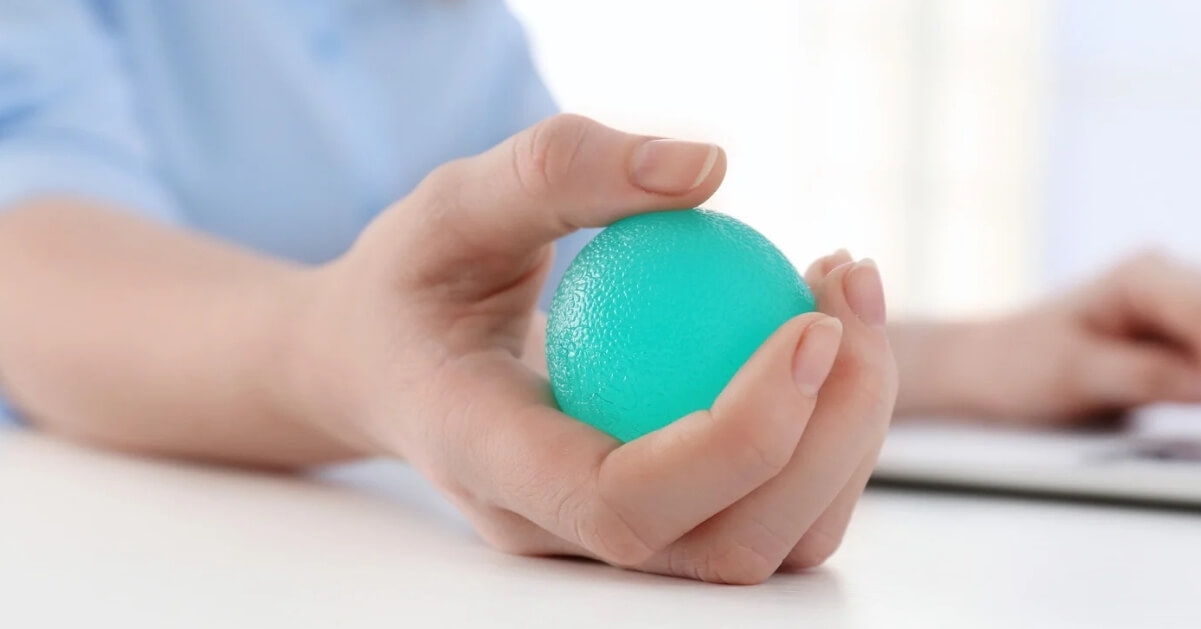
When you think of a stress ball, you might picture a small foam ball sitting on someone’s desk, squeezed during a tough phone call or a long workday. But here’s the part many people overlook: the Benefits of a Stress Ball go far beyond just having something to squeeze when you’re irritated. These little tools can genuinely improve your physical health, emotional wellbeing, focus, and even your daily productivity. Stress balls are simple, affordable, and surprisingly powerful. Whether you’re dealing with anxiety, long hours at a keyboard, emotional tension, or just want to keep your hands busy, a stress ball can make a meaningful difference. In this guide, we’ll walk through 15 real-life benefits of a stress ball, how they work, and why millions of people rely on them daily. Let’s explore them gently, honestly, and in a way that actually makes sense for your real life. What Makes Stress Balls So Effective? At first glance, squeezing a small object might seem too simple to do much. But the effectiveness of a stress ball comes from two powerful mechanisms: 1. Physical Release When you squeeze and release a stress ball, you activate the muscles in your hands and forearms. This motion helps release built-up physical tension that often accumulates due to stress, typing, or repetitive tasks. 2. Mind-Body Connection Your brain has a natural calming response to repetitive movement. The rhythmic motion of squeezing a stress ball signals your nervous system to slow down, creating a grounding effect and reducing anxiety. Because of these two mechanisms, the Benefits of a Stress Ball extend into emotional, mental, and even physical wellbeing. 15 Benefits of a Stress Ball in Real Life Below are the most practical and surprisingly helpful benefits you can experience simply by using a stress ball regularly. 1. Reduces Stress Almost Instantly The most obvious and most powerful benefit is stress relief. When you squeeze a stress ball, your body releases physical tension. At the same time, the repetitive motion signals your brain to relax, quieting the stress response. You may notice: Lower anxiety levels A calmer mind Reduced irritability Less physical restlessness It’s a simple way to release bottled-up pressure without needing special tools, environments, or long routines. 2. Helps Control Anxiety and Overthinking If you struggle with racing thoughts, nervous habits, or anxiety spikes, a stress ball works as a grounding tool. It gives your brain a physical focus, pulling your attention away from anxious spirals. People often use stress balls when: Overthinking at night Feeling tense during a conversation Experiencing social anxiety Having trouble calming down It’s a small but powerful way to anchor your mind back to the present moment. 3. Improves Focus and Concentration Struggling to stay focused? You’re not alone. Many people find that their brain wanders during tasks because of stress, sensory overload, or boredom. Using a stress ball provides: Sensory stimulation that helps you stay alert A physical outlet for excess energy A concentration boost during repetitive or long tasks This is why they’re often recommended for students, office workers, and anyone with ADHD-like symptoms. 4. Strengthens Hand and Grip Muscles One of the most underrated Benefits of a Stress Ball is its ability to improve grip strength. Regular use helps strengthen: Hand muscles Wrist muscles Forearm muscles This is especially helpful for: Athletes Musicians Gamers People recovering from hand injuries Anyone who types all day Better grip strength also supports everyday tasks like lifting, writing, or opening jars. 5. Supports Physical Rehabilitation Stress balls are commonly used in physiotherapy for: Arthritis Carpal tunnel Tendon injuries Post-surgery recovery Stiff joints The controlled squeezing motion improves blood flow and helps restore muscle mobility without strain. Always check with a physiotherapist for the right type of ball strength. 6. Improves Circulation Movement boosts blood flow and squeezing a stress ball is a great way to do that, especially if you sit for long hours. Benefits of increased circulation include: Reduced stiffness Warmer fingers Less numbness or tingling Reduced swelling If your hands often feel cold or tired, a stress ball can help activate blood flow naturally. 7. Helps Break Bad Habits (Nail Biting, Skin Picking, Knuckle Cracking) Many repetitive habits come from anxiety or boredom. A stress ball gives your hands something healthier to do. People use it to reduce: Nail biting Skin picking Knuckle cracking Hair pulling Fidgeting behaviors Replacing harmful habits with a simple squeeze can make everyday life feel calmer and more controlled. 8. Enhances Mood and Emotional Regulation Squeezing a stress ball can help release physical frustration and emotional heaviness. It helps your body: Release tension Reduce emotional buildup Calm outbursts before they happen Provide a safe outlet during anger or sadness It’s not childish, it’s emotional self-regulation in a simple form. 9. Offers a Quick Mindfulness Tool Mindfulness doesn’t always require meditation or long breathing exercises. A stress ball allows you to practice mindfulness by focusing on: Texture Pressure Rhythm Sensation in your hand This sensory focus can slow down your mind and ease the fight-or-flight response. 10. Boosts Productivity at Work Stress impacts productivity more than people realize. A stress ball keeps your mind steady and your energy regulated. Using one at work can: Reduce emotional exhaustion Improve focus Minimize distraction Calm work-related anxiety Support better decision-making It’s a low-effort, high-impact productivity tool. 11. Helps with Anger Management Anger often builds in the body before the mind catches up. A stress ball allows you to: Redirect anger safely Release energy without hurting yourself or others Prevent emotional outbursts Calm down before speaking or reacting It’s a simple but effective emotional safety valve. 12. Supports Better Sleep Stress balls help lower nervous system activity, which is essential for winding down. Use one at night if you: Can’t stop thinking Feel tense before bed Wake up anxious Struggle to calm your mind The physical repetition helps relax your muscles and quiet your thoughts. 13. Enhances Fine Motor Skills Fine motor skills are essential for writing, typing, drawing, and … Read more